

Let’s talk about online slot games. It’s a conversation about amusement, technology, and self-discipline. In this guide, I’m providing informational content related to titles such as Piggy Riches Megaways Slot, especially for teenagers in the UK. The purpose is to explain how these games operate, to eliminate the confusion around their mechanics, and to clearly outline the statutory and financial measures that are in place. This represents strictly an educational and cautionary document.
Comprehending What Piggy Riches Megaways Slot Truly Is
Start with this fact: Piggy Riches Megaways is a branded online slot machine. You’ll locate it on gambling websites licensed in the UK. It runs on a game engine called ‘Megaways.’ This system alters the number of symbols on each reel with every spin, which in turn alters how many ways you can win. The game has a theme of cartoon pigs living a luxurious life, a common visual style. While the graphics are captivating, remember this is a game of chance. It’s intended for adult entertainment within a regulated market.
For education, the mechanics matter https://piggyrichesmegaways.uk/. Because of Megaways, the grid reforms every time you spin. Features like cascading wins, free spins, and bonus rounds are built into the design. These elements exist to generate excitement and keep people playing. Understanding that psychological hook is crucial for any young person looking at these games.
Family Oversight and Open Conversations at Home
Candid, non-judgmental talk at home is one of the most effective protections. Parents are not required to have a degree in slot machines. Just being aware these games exist and are advertised can initiate a useful conversation. Discussing how advertising works, why age ratings matter, and how games make money can be integrated into bigger discussions about online safety and handling money.
Practical steps help. Using parental controls on devices and internet routers can prevent access to gambling sites. Encouraging a sceptical look at advertising, especially during sports broadcasts, is also useful. The goal is to present these chats around health and making smart choices, not just laying down bans. Strict prohibitions sometimes just make things more interesting.
Breaking down Game Mechanics and Randomness
A key insight is grasping how these games function under the surface. Every spin on Piggy Riches Megaways is controlled by a Random Number Generator (RNG). This software ensures each outcome is independent from the last and completely random. The belief that a game is ‘due’ to pay out is a mistake, known as the ‘gambler’s fallacy.’ Educating people about RNGs helps dismantle false ideas about strategy and underscores the role of pure chance.
Two other terms are key: volatility and Return to Player (RTP). RTP is a theoretical percentage. http://ir.annualreports.com/Click/17217 It shows the average amount of wagered money a slot pays back over an immense number of spins. It is not a guarantee for your playing session. High-volatility slots can have long spells with no wins, succeeded by potentially big payouts. This design can skew a player’s understanding. Getting to grips with these terms promotes a more realistic view of the game’s design.
Understanding the Potential Risks and Harms
This is an educational piece, but we must outline the risks plainly. These risks are why the age restrictions are in place. Problem gambling can lead to heavy financial losses, debt, strained relationships, anxiety, depression, and a drop in school or job performance. For young people, whose finances and emotional resilience are still taking shape, the damage can be extremely severe.
We should also address the design tricks that get people playing. ‘Losses disguised as wins’ happen when a payout is lower than your original bet, but the game still rewards. Near-misses and flashy animations are elements of the psychological toolkit. Recognising these tactics is a form of digital literacy. It helps young people examine game design critically instead of just taking in it.
- Financial Harm: Money can disappear fast, leading to severe debt.
- Psychological Impact: Can increase stress and anxiety, and create an illusion of skill.
- Time Consumption: Too much play consumes time for studies, friends, and other interests.
- Normalisation: Experiencing it young can obscure the line between fun and risky financial behaviour.
Tools for Help and Additional Learning
If a adolescent person is worried about gambling, for their own sake or a friend, confidential help is available. Charities like GamCare, BeGambleAware, and the National Gambling Helpline provide complimentary advice and backing. These materials are financed by the gambling industry to offer independent aid. They are a vital part of promoting healthier gambling in the UK.
Teachers and guardians seeking systematic content have alternatives too. The PSHE Association includes gambling damage in its syllabus direction. Bodies like YGAM (Young Gamers & Gamblers Education Trust) and GamCare’s ‘BigDeal’ scheme conduct sessions and offer materials for academies and youth clubs. Their activities focuses on fostering cyber toughness and analytical thinking.
- GamCare & National Gambling Helpline: Offer complimentary, discreet support 24/7 via telephone and online chat.
- BeGambleAware: Supplies a abundance of open-access data and a self-assessment resource.
- YGAM: Provides free learning workshops and resources to practitioners engaging with young people.
The Crucial Importance of Age Restrictions in Gambling
UK law prohibits for anyone under 18 to gamble. This includes online slots. The UK Gambling Commission (UKGC) enforces this rule. Licensed operators are required to run strict age verification checks before you can deposit money or play. This law is mandatory. It’s there for a significant reason: to protect young people from the serious financial and psychological harm gambling can cause.
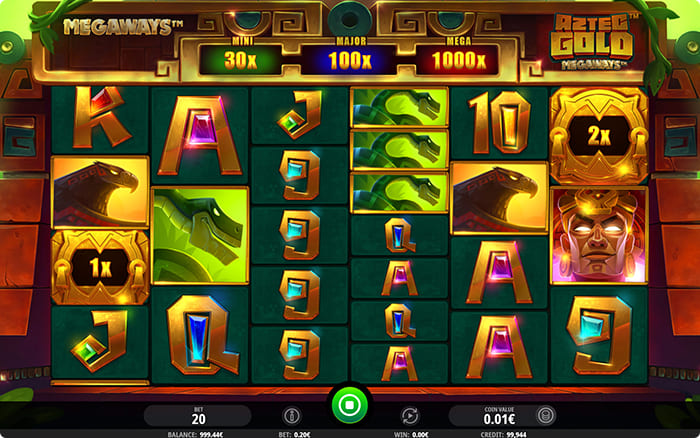
Research demonstrates the risks of underage exposure are real. The adolescent brain is still developing, particularly the parts in charge of impulse control and evaluating decisions. Early exposure to gambling-style games, even seemingly harmless ones, can make the activity seem normal. That can create the conditions for problematic behaviour later on. The age limit is a defensive wall.
- Legal Age: The required legal age for all forms of gambling in the UK is 18.
- Operator Duty: Licensed sites must authenticate age and identity, often using trusted third-party services.
- Consequences: Providing false information about age to gamble is illegal and can result in account closure and forfeiture of funds.
Building Financial Literacy as a Safeguarding Skill
Sound financial literacy is a strong shield against gambling harm. Instructing young people about budgeting, what money is truly worth, saving, and the gap between investment and blind chance is essential. School lessons on probability and statistics can be used directly to understand games of chance like slots.
We should foster a view of money as a tool for security and reaching goals, not as a chip to gamble. Programmes that simulate real-world finances or explore the psychology of spending are very effective. Equipping young people these skills helps them make informed decisions everywhere in life. It builds a natural resistance to the ‘get-rich-quick’ fantasies that games can promote.
- Budgeting: Demonstrate how to manage an allowance, separating needs from wants and savings.
- Probability: Use maths class to demonstrate the real odds behind random events.
- Critical Advertising Analysis: Pick apart how ads build desire and usually leave out the risks.
- Long-Term Planning: Contrast the fleeting nature of a gambling win with the steady reward of building skills and a career.